Hidden gems and travel tips for Mumbai
What locals and travelers recommend in Mumbai, India: hidden gems, where to eat, how to save money and what to skip.
- Travel Tips
- 5
 Budget Tips
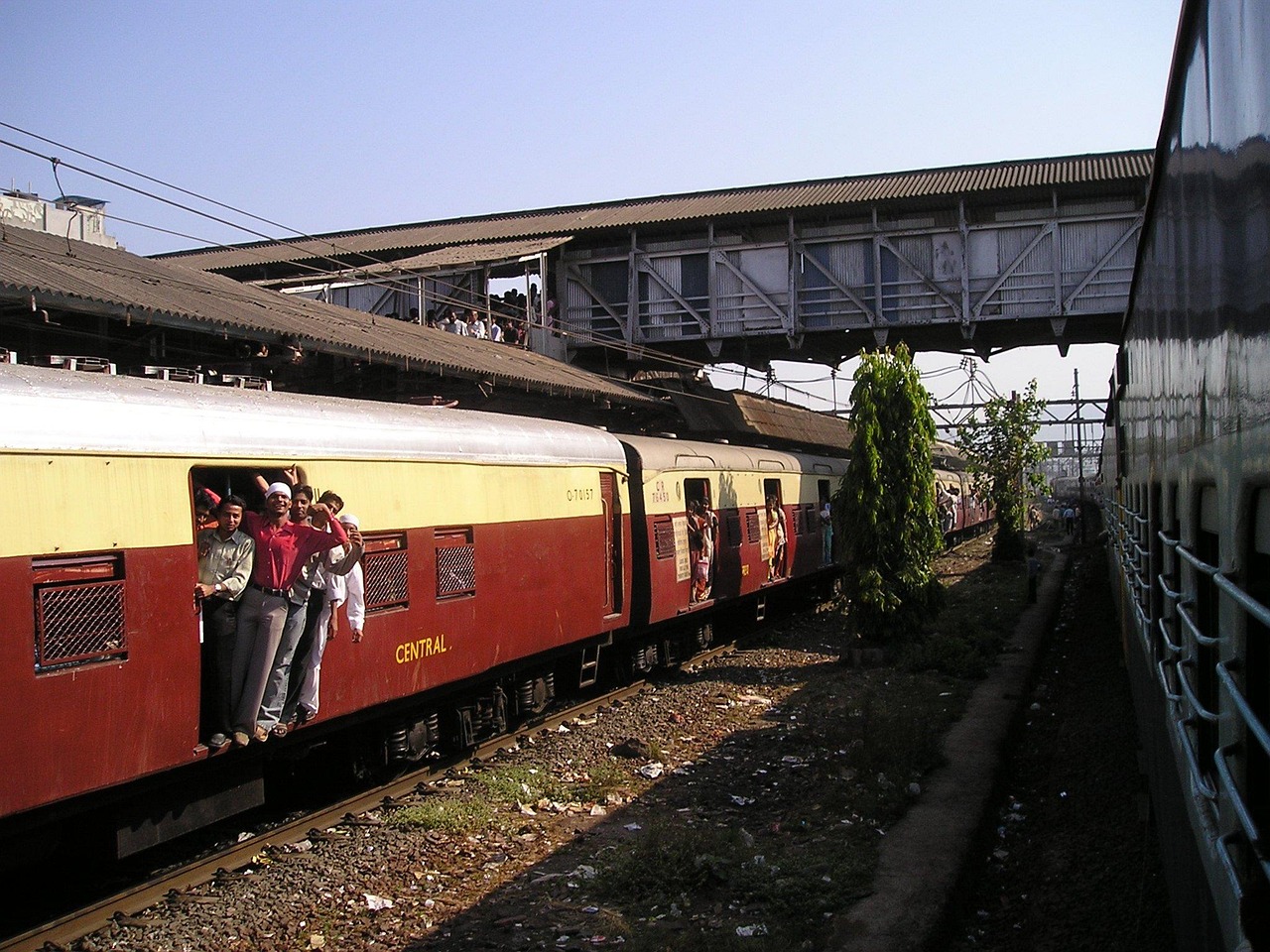
Local trains: fast and cheap, but avoid the rush
Mumbai's suburban trains carry millions of people every day and are the quickest way to cross the city. Tickets are very cheap; buy them at the counter, machine or on the UTS app. Each train has first-class carriages and women-only carriages. Avoid peak hours, when trains are extremely crowded and people hang out of doors. The Metro lines are newer and more comfortable. Black-and-yellow taxis use meters; Uber and Ola are also widely available.
by NoteWander TeamRead tip →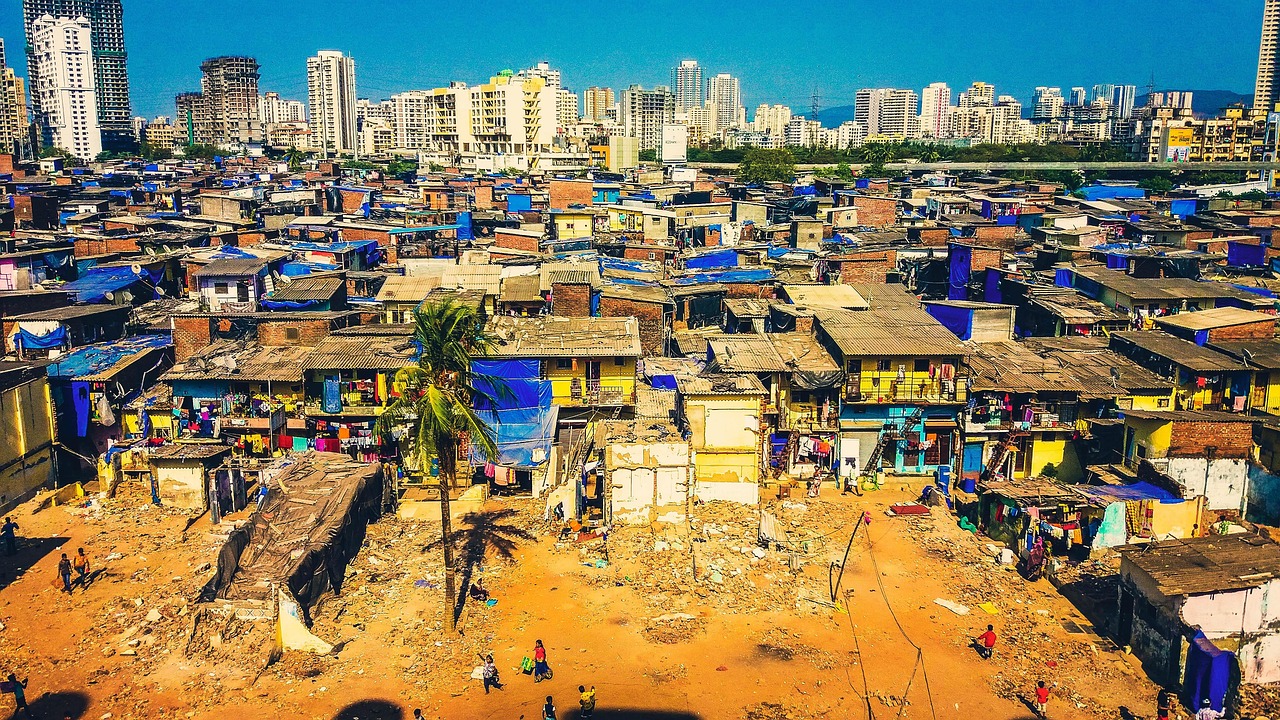 Local Tips
Dharavi tours, the dabbawalas and the monsoon city
Responsible tours of Dharavi, one of Asia's largest informal settlements, focus on its industries and community and some reinvest profits locally; photography is usually restricted. The dabbawalas, who deliver hundreds of thousands of home-cooked lunches by train and bicycle every day with remarkable accuracy, can be seen around Churchgate station before lunch. From June to September, heavy monsoon rain can flood streets and disrupt trains.
by NoteWander TeamRead tip →- Food & Drinks
Vada pav, pav bhaji and the Irani cafés
Mumbai's street food is legendary. Vada pav, a spiced potato fritter in a bun, is the city's cheap and filling snack. Pav bhaji is a buttery vegetable mash with bread, and bhel puri is best eaten at Chowpatty beach. The old Irani cafés, founded by Persian immigrants, serve bun maska (buttered bread), chai and berry pulao in faded but charming dining rooms. Pick stalls with a crowd and a hot griddle.
by NoteWander TeamRead tip → 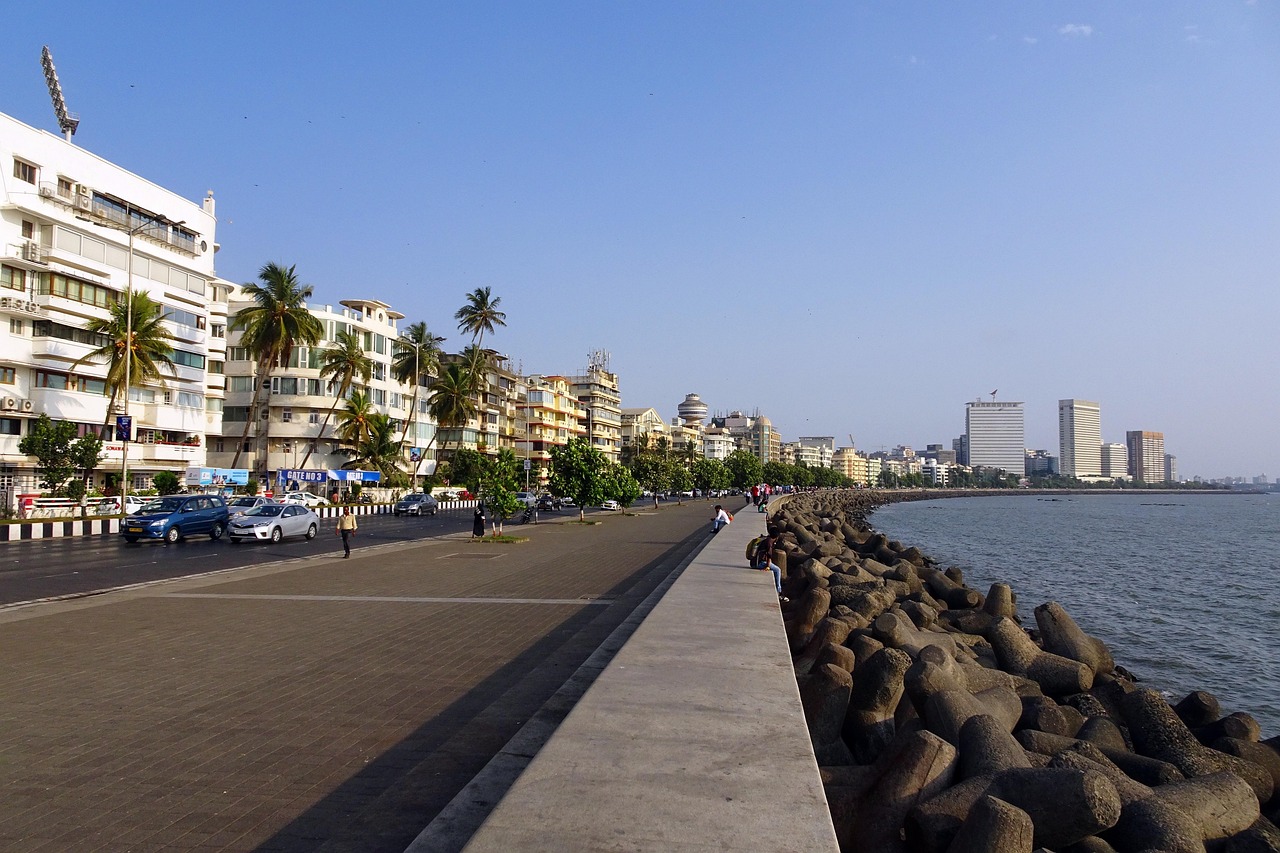 Places
Marine Drive at sunset and the Chhatrapati Shivaji Terminus
Marine Drive, a curving seafront promenade called the Queen's Necklace for its lights at night, is where Mumbaikars stroll and sit on the sea wall at sunset. The Chhatrapati Shivaji Maharaj Terminus, a Victorian Gothic railway station and UNESCO site, is still one of the busiest stations in India; admire it from the outside or join a heritage walk. The Kala Ghoda district has galleries and a big arts festival in February.
by NoteWander TeamRead tip →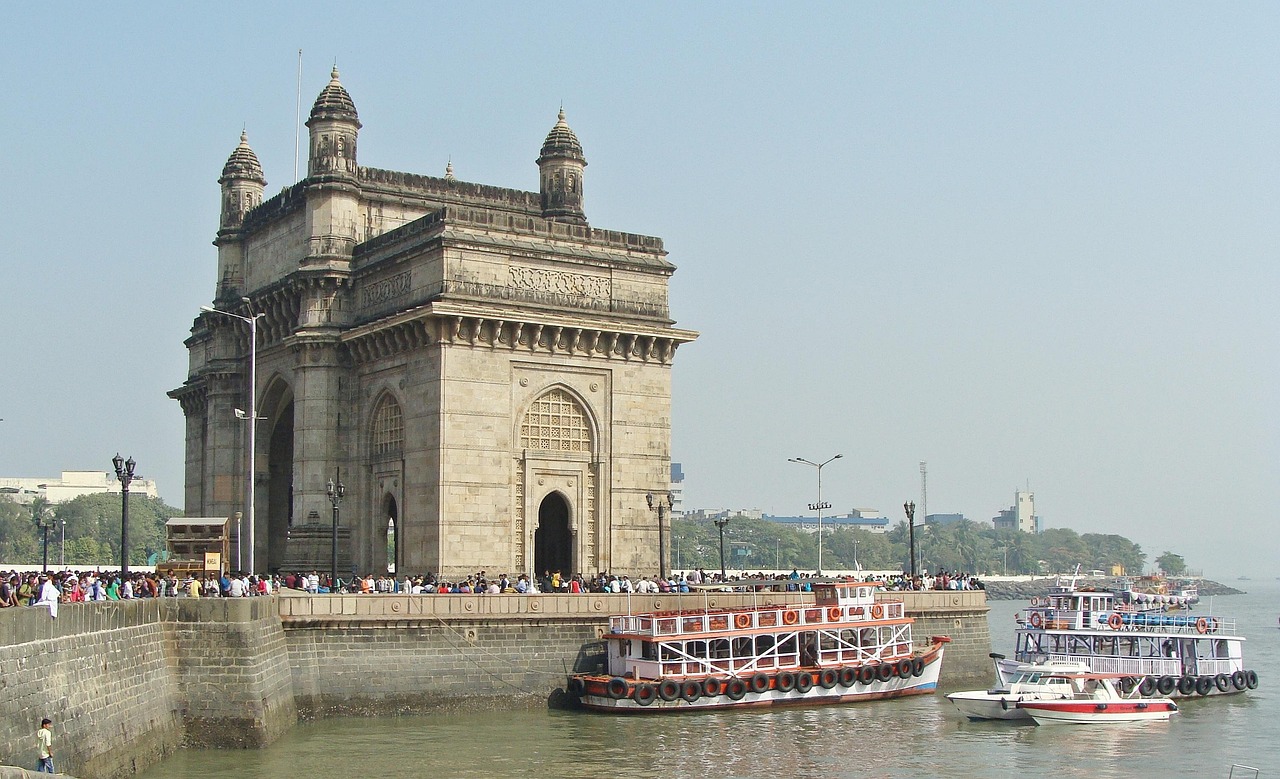 Places
Gateway of India, Colaba and the Elephanta Caves
The Gateway of India, built to welcome King George V in 1911, faces the harbour in Colaba, next to the famous Taj Mahal Palace hotel. From the jetty, ferries cross in about an hour to Elephanta Island, where 6th-century caves hold a giant three-headed carving of Shiva; the caves are closed on Mondays. Back in Colaba, wander the Causeway market and the art deco and Victorian buildings of the Fort district.
by NoteWander TeamRead tip →